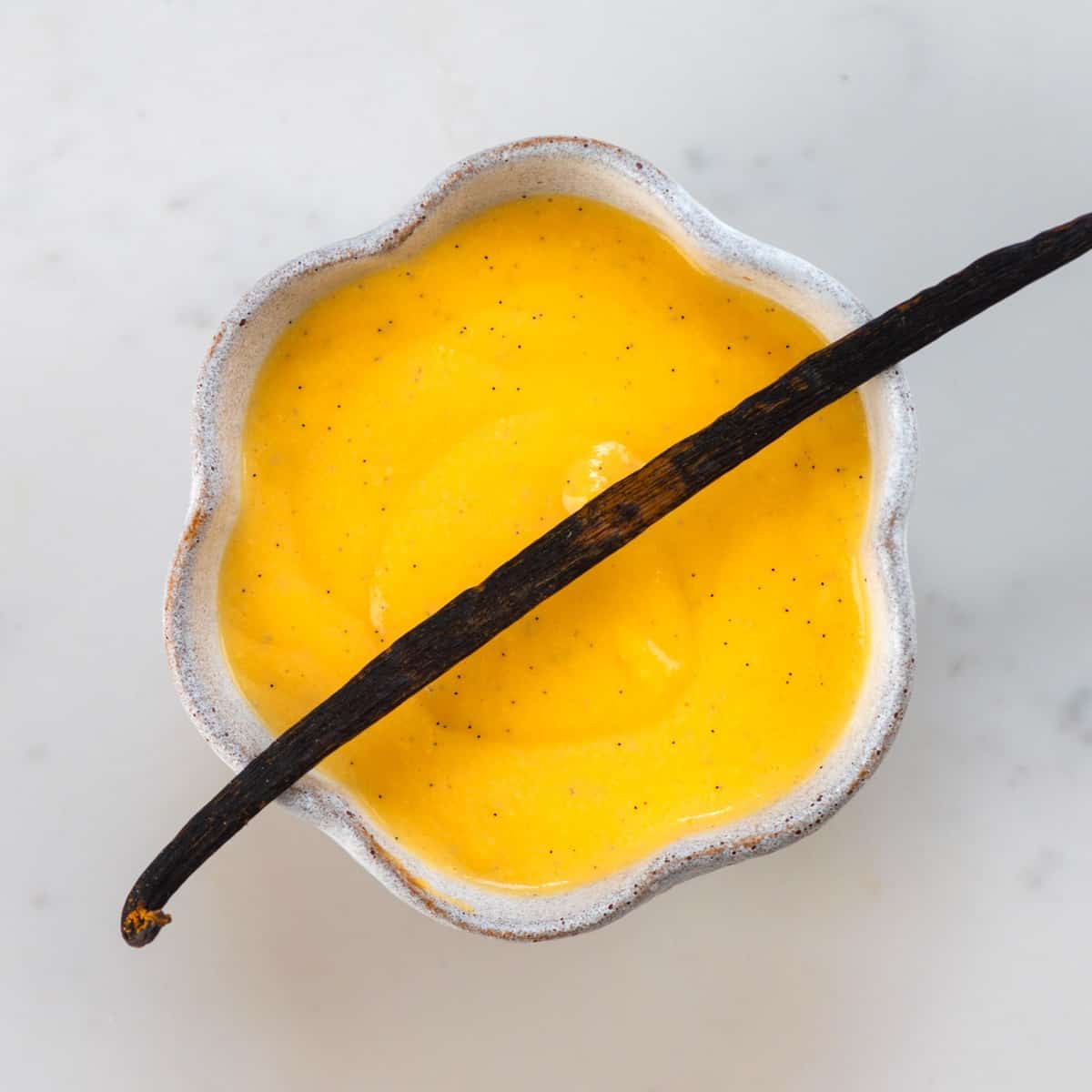
Real Vanilla Custard: The Versatile Dessert Topping You Need
There are few aromas as comforting and inviting as that of real vanilla, gently simmering on the stovetop. It's a scent that evokes cherished memories, a touch of warmth on even the chilliest day, and the promise of something truly special. And when that aroma emanates from a batch of freshly made custard, you know you're in for an unparalleled treat. This isn't just any custard; we're talking about **the ultimate homemade vanilla custard** – a luxurious, silky-smooth creation that transforms any dessert into an extraordinary experience, and often, is a delightful dessert all on its own.
Forget watery, flavorless imitations. This recipe centers on a traditional egg custard, enhanced by the deep, aromatic notes of genuine vanilla beans, rather than mere extracts. The result is a pourable consistency, akin to a classic crème anglaise, making it the perfect accompaniment for a vast array of sweet dishes. Imagine it cascading over warm apple pie, soaking into a crumbly berry tart, or enriching a simple slice of cake. Preparing this staple involves just five core ingredients and a straightforward process, proving that the most sublime culinary delights often arise from humble beginnings and a little culinary care.
Unveiling the Magic of Real Vanilla Custard
At its heart, **the ultimate homemade vanilla custard** is a celebration of simplicity and quality ingredients. While many commercial or quick-fix recipes opt for vanilla extract or paste, the true magic unfolds when you infuse your custard with real vanilla beans. The tiny black seeds, scraped directly from the pod, release a complex bouquet of over 200 flavor compounds that simply cannot be replicated by extracts alone. This depth provides a robust, authentic flavor that is both delicate and profoundly satisfying, setting your homemade custard apart from anything you'll find in a carton.
The fundamental ingredients for this timeless delight include milk and/or cream, fresh eggs, sugar, real vanilla beans, and often, a touch of cornstarch. Each plays a crucial role: the dairy provides the rich base, eggs are the primary thickening agent and add unparalleled richness, sugar offers sweetness and balance, and vanilla delivers that iconic flavor profile. Cornstarch, when used, acts as a stabilizer, ensuring a consistently smooth texture and greater ease of preparation, a detail we'll delve into shortly. Together, these five components, guided by a simple cooking technique, create a truly luxurious product that elevates any meal.
Custard vs. The World: Demystifying Dessert Terms
The world of creamy, sweet desserts can sometimes feel like a linguistic labyrinth, especially when terms like "pudding" and "custard" are thrown around. What exactly distinguishes a true custard, and how does it relate to its various creamy cousins? Understanding these nuances not only clarifies terminology but also helps in appreciating the unique qualities of **the ultimate homemade vanilla custard**.
What Makes a Custard, a Custard?
Broadly speaking, "custard" is a fairly generic culinary term encompassing a wide range of dishes made primarily from milk and/or cream, eggs, and often sweetened and flavored. However, the defining characteristic, particularly in the Western culinary tradition, is the inclusion of eggs as the primary thickening agent. It's the egg proteins, specifically the yolks, that coagulate gently when heated, creating that signature silky-smooth, creamy texture that defines custard. Without eggs, a similar dairy-based, starch-thickened mixture would typically be called a blancmange.
This distinction becomes particularly relevant when comparing it to "pudding." In the UK, "pudding" is a generic term for any dessert. In the US, "pudding" typically refers to a creamy dessert that is thickened primarily with starch (like cornstarch or flour) rather than eggs, resulting in a slightly different mouthfeel and often a more gelatinous consistency. Custard, with its egg-based richness, offers a velvety smoothness that starch-thickened puddings simply can't quite match. Whether prepared on the stovetop, baked in a bain-marie, or even sous-vide, if it’s thickened by eggs, it’s a custard.
The Spectrum of Custard Consistencies
Not all custards are created equal when it comes to thickness and application. Depending on the ratio of eggs, dairy, and any additional thickeners, custards can range dramatically:
*
Crème Anglaise (English Cream): This is the thin, pourable custard, often described as a sauce. It's designed to coat warm desserts like a luxurious blanket, enhancing their flavor without overpowering them. Our recipe for **the ultimate homemade vanilla custard** aims for this elegant, pourable consistency, making it incredibly versatile.
*
Crème Pâtissière (Pastry Cream): This is a much thicker, more robust custard, designed to hold its shape. It typically contains a higher proportion of eggs and often significant amounts of starch (like cornstarch or flour). It's the go-to filling for cream puffs, éclairs, tarts, donuts, and other pastries where a stable, pipeable cream is essential.
*
Firm Custards: These are the thickest custards, often baked, such as those found in a traditional custard tart or quiche. They are designed to be sliced and hold their shape completely.
Interestingly, our specific recipe incorporates both eggs and cornstarch, yet still achieves a delightful pourable consistency. The starch not only adds to the thickening power but, more importantly for home cooks, stabilizes the eggs. This stabilization is key to preventing the eggs from curdling – a common pitfall when cooking custards – and allows for a more forgiving, single-pan cooking method rather than requiring a double boiler or water bath.
Crafting Your Ultimate Homemade Vanilla Custard: Tips for Success
Making **the ultimate homemade vanilla custard** might sound intimidating, but with a few key techniques and insights, it’s surprisingly straightforward and immensely rewarding. The goal is to achieve that perfect balance of richness, sweetness, and a texture so smooth it feels like liquid silk.
The Golden Rule: Low and Slow Heat
Perhaps the most critical aspect of custard making is managing the heat. Eggs are delicate, and cooking them too quickly or at too high a temperature will lead to them scrambling, resulting in a lumpy, unappetizing custard. The golden rule is to cook your custard over low to medium-low heat for a longer duration, stirring constantly. This gentle heating allows the egg proteins to coagulate slowly and evenly, creating a smooth, homogenous texture.
You'll know your custard is ready when it thickens just enough to coat the back of a spoon. If you draw a line through the custard with your finger on the back of the spoon, the line should remain distinct, not immediately run together. While a thermometer isn't strictly necessary for success (experience is a great guide!), if you want to be precise, aim for a temperature that doesn't exceed 80°C (175°F) if you were making an egg-only custard. However, with the stabilizing power of cornstarch in our recipe, you have a little more leeway and can go slightly higher, though always with caution and continuous stirring. The higher the temperature you safely reach, the thicker your final custard will be.
Ingredient Spotlight: Real Vanilla Beans
As we've emphasized, the soul of **the ultimate homemade vanilla custard** lies in real vanilla. Sourcing high-quality vanilla beans (Madagascar Bourbon, Tahitian, or Mexican are popular choices) will make a noticeable difference. To prepare them:
1.
Split: Use a sharp paring knife to carefully split the vanilla bean lengthwise down the middle, but not all the way through the ends.
2.
Scrape: Open the bean like a book and use the back of your knife to scrape out the tiny, aromatic seeds. These are where much of the flavor resides.
3.
Infuse: Add both the scraped seeds and the empty pod to your milk/cream mixture as it gently heats. This allows the full spectrum of vanilla flavor to infuse into the dairy. Remember to remove the pod before chilling or serving the custard.
If vanilla beans are truly out of reach, opt for a high-quality vanilla extract or, even better, vanilla bean paste, which often contains actual vanilla seeds and a more concentrated flavor than standard extract. Use these additions after the custard has cooked, to preserve their delicate notes.
Mastering the Simplicity: A 5-Ingredient Marvel
The beauty of **the ultimate homemade vanilla custard** is its deceptive simplicity. With just five core ingredients (dairy, eggs, sugar, vanilla, and cornstarch), you're well on your way to culinary bliss. Each step is designed to be approachable, from gently warming the dairy to tempering the eggs, and finally, cooking the mixture until perfectly thickened. The process is not about complex techniques, but rather about patience and attention to detail, particularly with heat management. For a more detailed, step-by-step guide to achieving that perfect silky texture, you can learn
How to Make Silky Homemade Vanilla Custard in 5 Simple Steps.
Beyond the Spoon: Versatile Applications for Your Custard
While a bowl of warm, vanilla-scented custard is a comforting dessert in itself, its true genius lies in its incredible versatility. Once you've mastered **the ultimate homemade vanilla custard**, a world of culinary possibilities opens up.
*
Classic Dessert Topping: This is its most famous role. Pour it generously over warm fruit crumbles, crisps, pies (apple, cherry, berry), and tarts. It’s magnificent with a simple sponge cake, bread pudding, or a slice of fruitcake.
*
With Fresh Fruit: Serve it alongside fresh berries, sliced peaches, grilled figs, or roasted pears for a lighter, yet still luxurious, dessert.
*
Breakfast & Brunch Brilliance: Drizzle warm custard over pancakes, waffles, French toast, or crepes for an indulgent weekend treat. You can even stir a spoonful into your coffee for a vanilla-flavored creamy boost.
*
Layered Desserts: Use it as a layer in parfaits with granola, fruit, and whipped cream, or build an elegant trifle with cake, fruit, and more custard.
*
Chilled Delights: While wonderful warm, it's equally delightful served chilled. It becomes a rich, creamy sauce that pairs beautifully with chilled fruit salads or simply enjoyed on its own.
No matter how you choose to enjoy it, this homemade custard is more than just a topping; it's an enhancement, a comforting hug in a bowl, and a testament to the timeless appeal of simple, quality ingredients. To truly delve into the comforting embrace of this classic, discover how to
Indulge in Timeless Comfort: Your Ultimate Homemade Vanilla Custard.
Conclusion
In a culinary landscape often dominated by complex recipes and exotic ingredients, **the ultimate homemade vanilla custard** stands out as a beacon of classic comfort and effortless elegance. Its silky texture, rich flavor, and incredible versatility make it an indispensable addition to any home cook's repertoire. From transforming everyday desserts into extraordinary experiences to simply offering a spoonful of pure, unadulterated bliss, this real vanilla custard is more than just a recipe; it's an invitation to savor the simple pleasures in life. So, gather your five ingredients, embrace the low and slow method, and prepare to be enchanted by the timeless delight of a truly homemade classic.