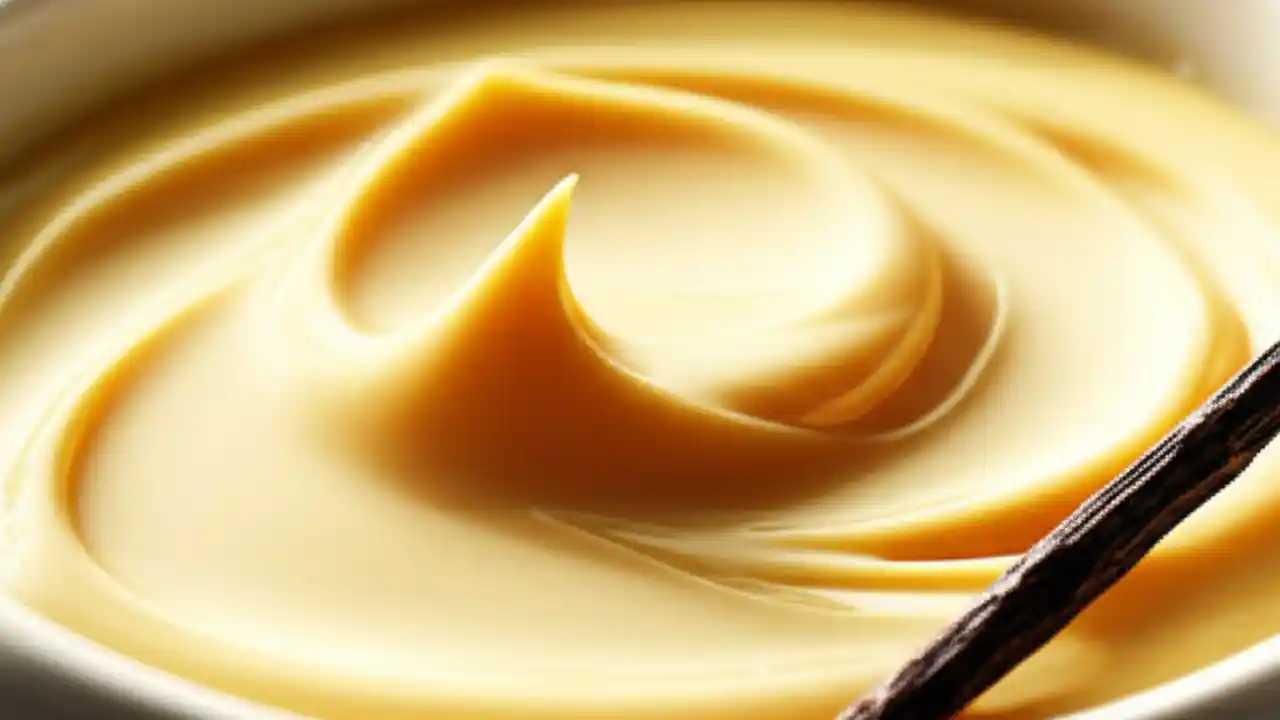
The Irresistible Allure of Silky Homemade Vanilla Custard
Imagine a dessert that evokes warmth, comfort, and a touch of timeless elegance with every spoonful. As the sweet, aromatic scent of real vanilla wafts through your kitchen, it wraps you in a cherished memory, a feeling of pure delight. This is the magic of homemade vanilla custard – a traditional delight that promises both surprising ease and an extraordinary taste experience. Whether you prefer it warm, drizzled over a fruit crumble, or chilled to perfection, this recipe for the ultimate homemade vanilla custard will become a cherished staple in your culinary repertoire.
Far from a daunting task, crafting this luxurious dessert is remarkably simple, requiring just five core ingredients and a straightforward process. In this comprehensive guide, we'll walk you through five easy steps to achieve a custard that is not just smooth, but truly silky, infused with authentic vanilla flavor that store-bought versions simply can't replicate. Get ready to elevate your dessert game and discover the unparalleled joy of a truly homemade classic.
Unraveling the Mystery: What Exactly is Vanilla Custard?
Before we dive into the creation process, let's address a common culinary debate: what defines custard? The term 'custard' is quite broad, encompassing a variety of dishes made primarily from milk and/or cream, eggs, often vanilla, and sometimes an additional thickener. However, the defining characteristic that truly sets custard apart from its creamy cousins like puddings is the essential inclusion of eggs.
In many regions, particularly the UK, "pudding" is a generic term for dessert itself. In America, however, "pudding" typically refers to a creamy, often starch-thickened dessert, which may or may not contain eggs. Custard, on the other hand, relies on the coagulation of egg proteins to achieve its distinct, silky-smooth consistency and rich mouthfeel. This means whether you bake it, steam it in a bain-marie, or stir it on the stovetop, if eggs are the primary thickener, it's a custard.
The world of custard further branches into delightful variations: Crème Anglaise, or English Cream, is a thin, pourable custard, perfect for cascading over warm pies and cakes. Then there's Crème Pâtissière, or Pastry Cream, a much thicker custard designed for piping into pastries like éclairs, cream puffs, or donuts. And, of course, there are even firmer custards that hold their shape when sliced, like those found in a classic custard tart.
Interestingly, some custard recipes, including our approach to the ultimate homemade vanilla custard, incorporate a touch of starch like cornstarch or flour alongside the eggs. This isn't just for extra thickness; the starch plays a crucial role in stabilizing the eggs, preventing them from curdling when exposed to heat. This allows for a more forgiving cooking process, often achievable in a single pan rather than requiring a double boiler, and helps maintain that desirable pourable, yet rich, consistency. Without eggs, a dairy and starch mix would result in a blancmange, a tasty treat in its own right, but distinctly different from the luxurious texture we seek in a true vanilla custard.
The Secret to Silky Perfection: Key Ingredients and Their Roles
Achieving that coveted silky-smooth texture and robust flavor in your homemade vanilla custard hinges on understanding the role of each of its humble five ingredients. Quality matters here, as each component contributes significantly to the final masterpiece.
- Real Vanilla Beans: The Flavor Star. While vanilla extract or paste can be used in a pinch, there's no substitute for the deep, complex, and authentic flavor imparted by a real vanilla bean. The tiny, fragrant seeds and the rich oils infused from the pod elevate this custard from good to extraordinary. Split the bean lengthwise and scrape out the seeds to infuse into your dairy.
- Dairy (Milk and/or Cream): The Creamy Foundation. The choice of dairy affects the richness and mouthfeel. Whole milk provides a lovely base, but a blend of whole milk and heavy cream (or even just half-and-half) will yield a more decadent, luxurious custard. The fat content contributes to the velvety texture and helps carry the vanilla flavor.
- Eggs: The Essential Thickener and Emulsifier. Eggs are the heart of any true custard. The egg yolks, in particular, provide natural thickening and emulsifying properties, creating that distinctively smooth, rich consistency. They also add a beautiful pale yellow hue. For the ultimate homemade vanilla custard, fresh, high-quality eggs are non-negotiable.
- Sugar: The Sweet Balancer. Granulated sugar not only sweetens the custard but also contributes to its overall texture and helps prevent the eggs from curdling too quickly during heating. The amount can be adjusted slightly to suit your preference, but a balanced sweetness allows the vanilla to shine.
- Cornstarch (or Flour): The Silky Stabilizer. As discussed, cornstarch serves a dual purpose. It provides additional thickening, allowing the custard to achieve that perfect pourable consistency more reliably. Crucially, it acts as a stabilizer for the eggs, making the custard more forgiving to cook and significantly reducing the risk of your eggs scrambling under heat. This is key to achieving that smooth, lump-free finish without the need for a double-boiler.
By understanding and appreciating the contribution of each ingredient, you're already halfway to mastering the ultimate homemade vanilla custard.
Your 5 Simple Steps to the Ultimate Homemade Vanilla Custard
Ready to transform these simple ingredients into a truly indulgent dessert? Follow these five straightforward steps to create a silky, perfectly flavored vanilla custard.
Step 1: Infuse the Dairy with Vanilla
In a medium saucepan, combine your chosen dairy (milk, cream, or a mix) with the scraped vanilla bean seeds and the spent pod. Heat gently over medium-low heat until small bubbles begin to form around the edges and the mixture is steamy, but not boiling. Remove from heat, cover, and let the vanilla steep for at least 10-15 minutes. This allows the deep vanilla flavor to fully infuse into the dairy. For an even more robust flavor, you can let it steep longer, or even refrigerate it overnight and reheat gently before proceeding.
Step 2: Prepare the Egg Mixture
While the vanilla infuses, whisk together the egg yolks (and any whole eggs, depending on your recipe preference for thickness), sugar, and cornstarch in a separate heatproof bowl. Whisk vigorously until the mixture is pale yellow, smooth, and slightly thickened. The cornstarch should be fully incorporated with no lumps.
Step 3: Temper the Eggs
This is a crucial step to prevent your eggs from scrambling. Remove the vanilla pod from the infused dairy. Slowly, in a thin stream, pour about half of the warm vanilla-infused dairy into the egg mixture while continuously whisking. This gradual addition raises the temperature of the eggs gently, or "tempers" them, ensuring they integrate smoothly without cooking prematurely. Keep whisking until well combined.
Step 4: Cook to Perfection
Pour the tempered egg-dairy mixture back into the saucepan with the remaining warm dairy. Return the saucepan to medium-low heat. Cook, stirring constantly with a whisk or rubber spatula, ensuring you scrape the bottom and sides of the pan. This consistent stirring is vital to prevent sticking and ensure even cooking. Continue cooking until the custard thickens enough to coat the back of a spoon, and you can draw a clean line with your finger. This typically happens when the temperature reaches around 75-80°C (167-175°F). Thanks to the cornstarch, you have a bit more wiggle room with temperature, but avoid letting it boil vigorously, as this can still curdle the eggs. It should be thick, but still pourable. The moment it coats the spoon, remove it from the heat.
Step 5: Strain and Chill (or Serve Hot!)
Immediately pour the hot custard through a fine-mesh sieve into a clean bowl. This step is essential for achieving that ultra-silky texture, removing any tiny bits of cooked egg or vanilla bean debris. If serving hot, it's ready! If serving cold, place plastic wrap directly on the surface of the custard to prevent a skin from forming, then let it cool to room temperature before refrigerating for at least 2-3 hours, or until thoroughly chilled. A quick whisk before serving will restore its perfect consistency.
Elevating Your Experience: Serving Suggestions & Expert Tips
Now that you've mastered the ultimate homemade vanilla custard, it's time to enjoy its incredible versatility and flavor. Whether served warm or cold, this custard is a sublime addition to a myriad of desserts.
Its pourable consistency makes it the perfect accompaniment for a rustic apple crumble, a rich chocolate brownie, a classic fruit pie, or a delicate sponge cake. Imagine it cascading over a warm slice of gingerbread or simply enjoyed on its own, perhaps with a scattering of fresh berries for a vibrant contrast. For more inspiration on how this delightful creation can transform your desserts, explore Real Vanilla Custard: The Versatile Dessert Topping You Need.
Expert Tips for Custard Perfection:
- Don't Rush the Heat: The single most important tip is to cook over low to medium-low heat and stir constantly. Patience is key to preventing scrambled eggs and achieving that smooth consistency.
- The Spoon Test: Learn to recognize the "nappe" stage – when the custard coats the back of a spoon. If you draw a line with your finger across the coated spoon, and the line holds without the custard running back together, it's done.
- Preventing a Skin: When chilling, always cover the custard with plastic wrap pressed directly onto its surface. This prevents a rubbery skin from forming.
- Troubleshooting: If, despite your best efforts, you get a few tiny lumps, don't despair! Strain the custard again, and if necessary, a quick pulse with an immersion blender or in a regular blender can often smooth it out completely.
- Storage: Homemade vanilla custard can be stored in an airtight container in the refrigerator for up to 3-4 days. Give it a whisk before serving to restore its creamy texture.
- Customization: While vanilla is king, don't hesitate to experiment! A hint of lemon zest, a dash of orange liqueur, or a pinch of cinnamon can add a lovely twist.
If you're ready to dive deeper into the comforting embrace of this classic, discover more about Indulge in Timeless Comfort: Your Ultimate Homemade Vanilla Custard.
Conclusion
There's an undeniable magic in creating something so utterly delicious and luxurious from scratch, especially when it's as surprisingly simple as this homemade vanilla custard. By following these five steps and understanding the nuances of each ingredient and process, you've unlocked the secret to a dessert that is truly silky, robustly flavored, and incredibly versatile. From a simple drizzle over fresh fruit to a sophisticated accompaniment for your finest bakes, the ultimate homemade vanilla custard is a testament to the enduring appeal of classic culinary craftsmanship. So go ahead, embrace the warmth, savor the aroma, and delight in the unparalleled comfort of your very own creation.
